Automating Deep Surveillance

Eyes that never blink: How Automation is Transforming Deep Surveillance
Automation technologies are fundamentally reshaping surveillance systems by integrating artificial intelligence, edge computing, and sensor fusion to achieve persistent, high-accuracy monitoring. Modern deep surveillance architectures employ machine vision algorithms to continuously analyze visual data streams, enabling automated detection of anomalies, motion patterns, and operational deviations without human oversight. These systems leverage real-time analytics and adaptive learning models to enhance precision over time while minimizing false positives. In industrial and security-critical environments, such automated “eyes that never blink” support proactive threat identification and situational intelligence at scale. However, the increasing autonomy of surveillance platforms also necessitates rigorous frameworks for data governance, ethical compliance, and system transparency to ensure responsible deployment.

From CCTV to Sentient Systems: The Rise of Automated Deep Surveillance
The evolution from conventional closed-circuit television (CCTV) to intelligent, automated surveillance marks a paradigm shift in monitoring technology. Traditional CCTV systems relied on manual observation and static recording, whereas modern deep surveillance integrates AI-driven analytics, neural vision models, and distributed sensor networks to achieve real-time perception and decision-making. These systems not only detect and classify objects but also interpret behavioral patterns, infer intent, and autonomously trigger responses based on contextual data. Edge computing and cloud-based inference engines further enhance scalability and low-latency processing, enabling continuous situational awareness across expansive environments. The result is a transition toward “sentient” surveillance infrastructures—adaptive, self-learning, and capable of predictive oversight—demanding new standards in cybersecurity, ethics, and data integrity.
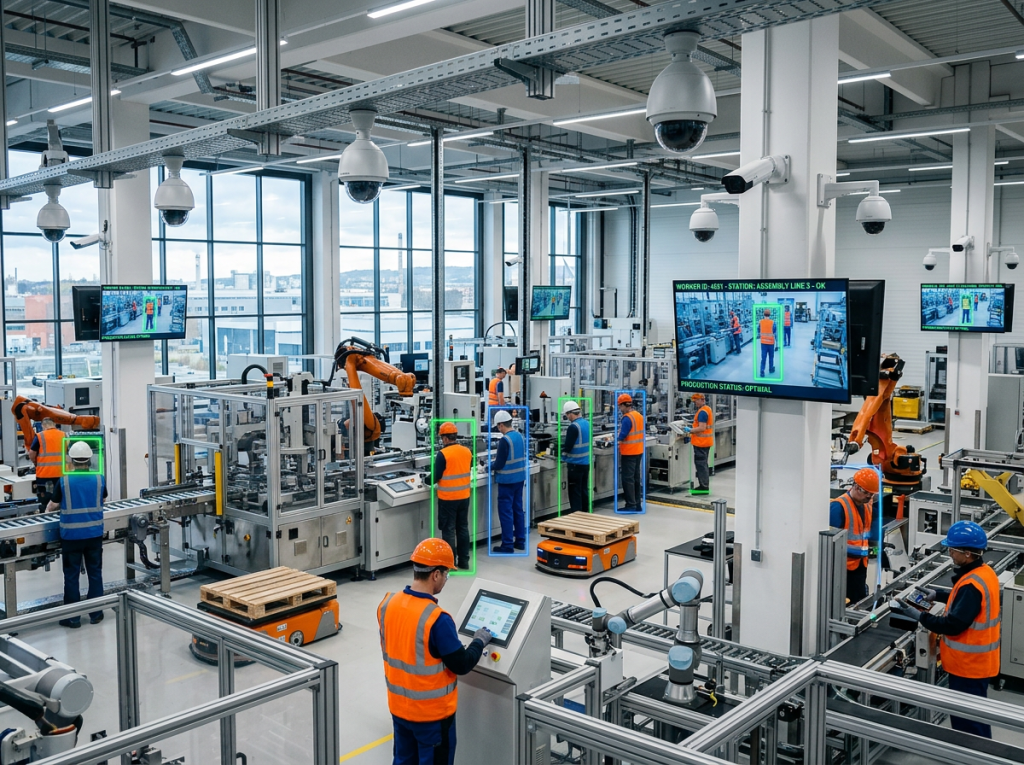
When Machines Watch Everything: Automating Surveillance in the Industry 4.0 Era
In the Industry 4.0 landscape, surveillance has evolved from passive monitoring to fully automated oversight driven by AI, IoT sensors, and edge analytics. Smart factories now employ machine vision and real-time data fusion to track assets, workers, and production processes with precision beyond human capability. These autonomous systems can detect safety violations, equipment anomalies, or security breaches instantaneously, enabling swift corrective action. As machines increasingly “watch everything,” industrial surveillance becomes a critical layer of operational intelligence—balancing efficiency, reliability, and the ethical management of data visibility.
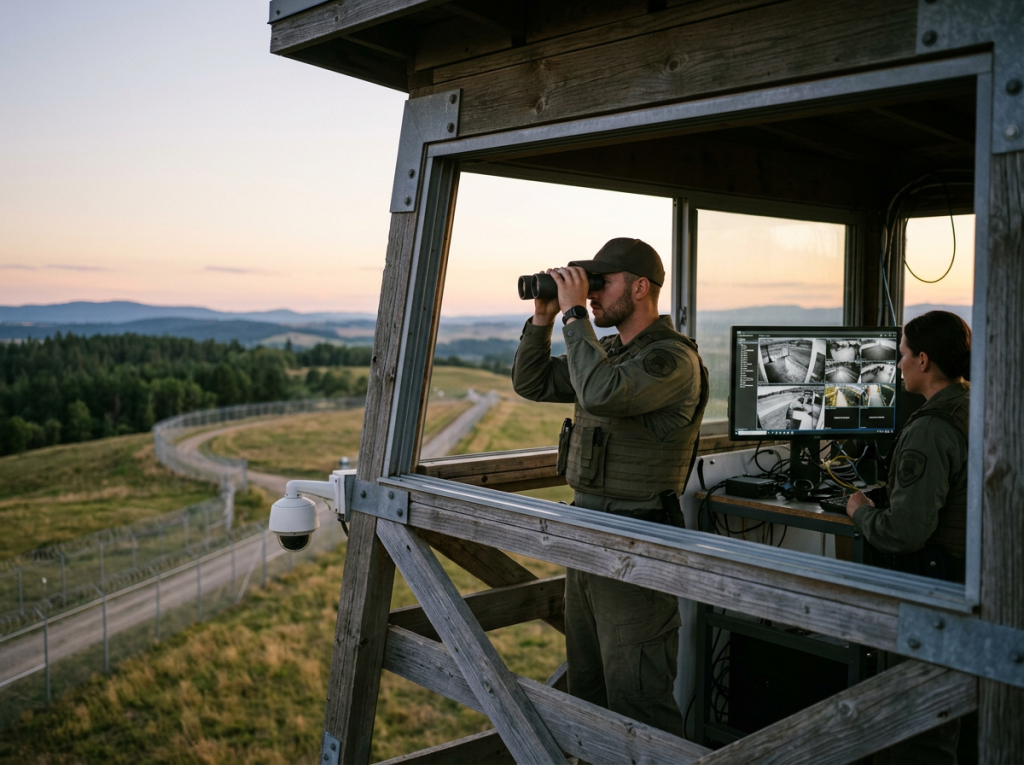
Algorithms on the Watchtower: Automating Deep Surveillance for a Hyper-Connected World
In a hyper-connected world, where every device, sensor, and network node generates continuous data streams, algorithms have become the new sentinels of surveillance. Deep learning and automation have transformed traditional security infrastructure into intelligent watchtowers capable of autonomous detection, classification, and predictive analysis. By integrating computer vision with real-time analytics and distributed edge computing, these systems monitor complex environments with precision and scalability unimaginable in manual operations. From industrial sites to digital ecosystems, algorithmic surveillance ensures operational continuity and security resilience—but it also raises critical challenges in algorithmic transparency, privacy governance, and the ethics of perpetual observation.
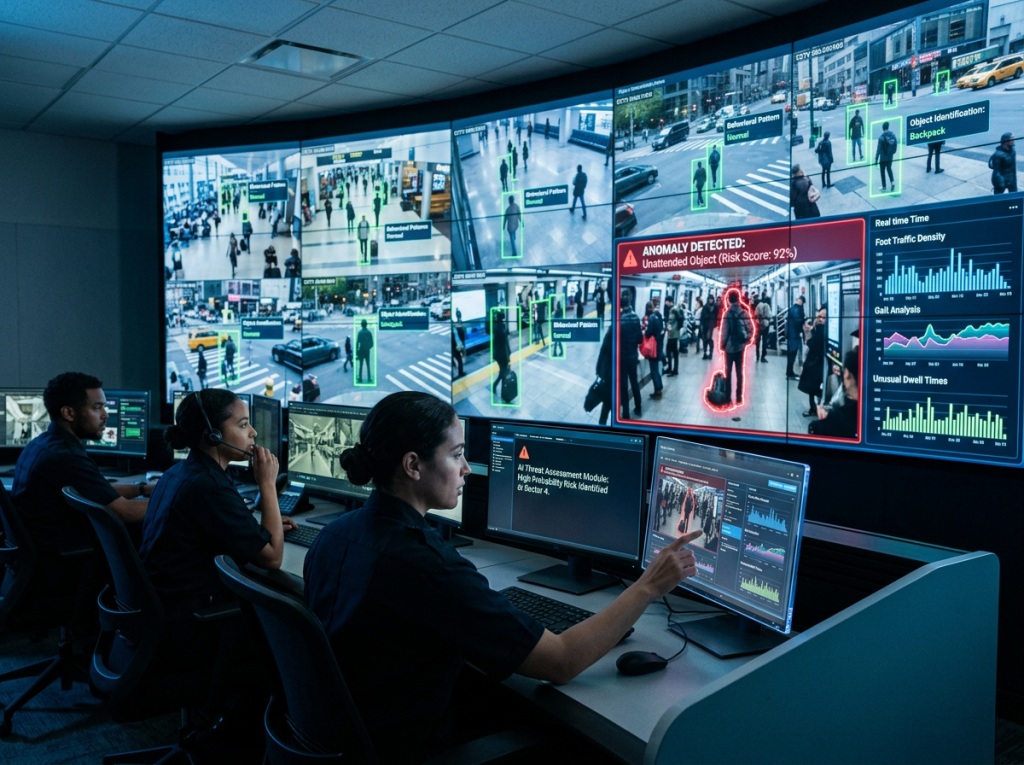
Silent Guardians or Digital Big Brother? The Automation of Deep Surveillance
The automation of deep surveillance blurs the boundary between protective oversight and intrusive observation. Advanced AI-driven systems now process vast streams of visual and behavioral data, identifying risks and anomalies faster than human operators ever could. In industrial, urban, and cyber domains, these silent guardians enhance safety, streamline operations, and support predictive risk management. Yet, their pervasive reach and autonomous decision-making capabilities invite ethical scrutiny around data sovereignty, algorithmic bias, and user consent. As automation extends the scale and sensitivity of observation, society faces a critical dilemma—balancing the efficiency of machine vigilance with the preservation of human privacy and trust.