Optimised Solutions
The Optimization Imperative
Automation delivers precision-engineered outcomes by aligning resources with demand in real time. Traditional operations bleed profit through inefficiencies like excess inventory, unplanned downtime, and labor overruns. Optimized automation recalibrates these variables, turning factories into profit engines.
Key Mechanisms of Profit and Cost Gains
Dynamic Resource Optimization: Automation algorithms forecast demand and allocate materials, energy, and labor precisely, minimizing waste and overproduction while boosting throughput by up to 30%.
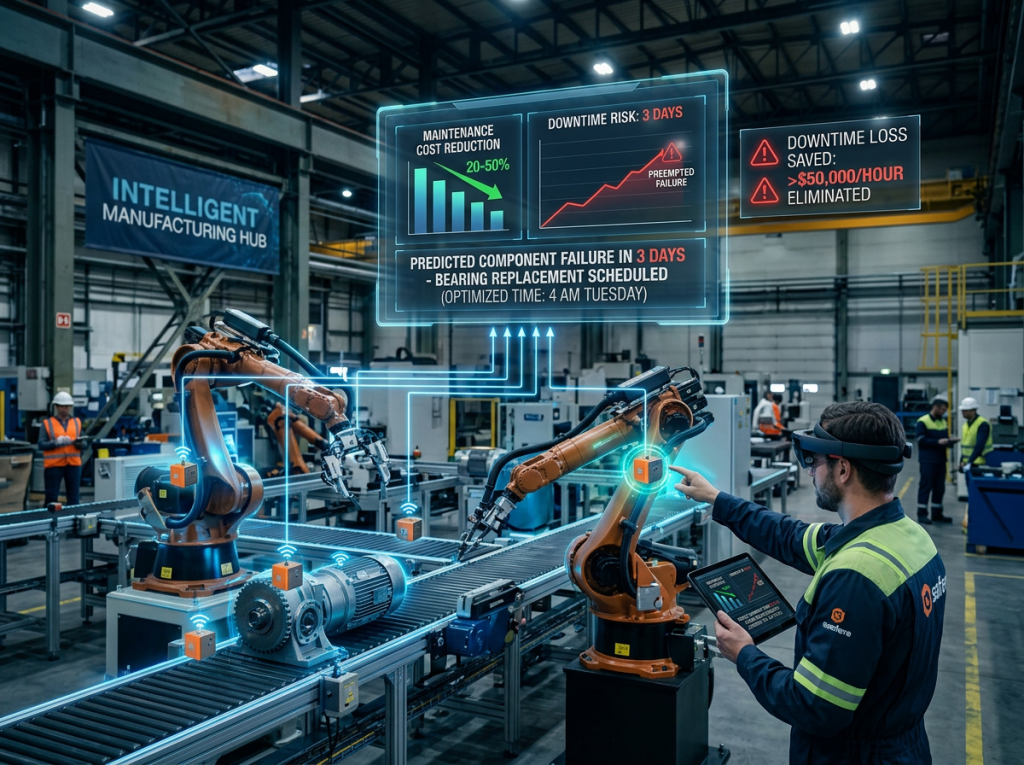
Cost-Reduction via Predictive Analytics: Sensors and AI preempt failures, cutting maintenance costs by 20-50% and eliminating downtime losses that can exceed $50,000 per hour in large plants.
Profit Amplification Through Scalability: Automated lines scale output without proportional cost increases, enabling just-in-time production that captures market opportunities faster.
Energy and Overhead Efficiency: Smart controls optimize power usage and streamline logistics, reducing operational expenses by 15-25% annually.
Industry 4.0 Case for Optimized Automation
In smart factories, digital twins simulate scenarios to test optimizations virtually, minimizing real-world trial costs. ERP-integrated automation ensures end-to-end visibility, where profit margins expand as costs contract through continuous feedback loops. Humans shift to oversight roles, leveraging automation’s speed for strategic decisions that compound gains.

Realizing the Winners' Edge
Optimized automation isn’t a one-time fix—it’s a perpetual engine. Businesses adopting these solutions report ROI within 12-18 months, with sustained profit growth outpacing competitors mired in manual processes.