Our Key Value Pillars
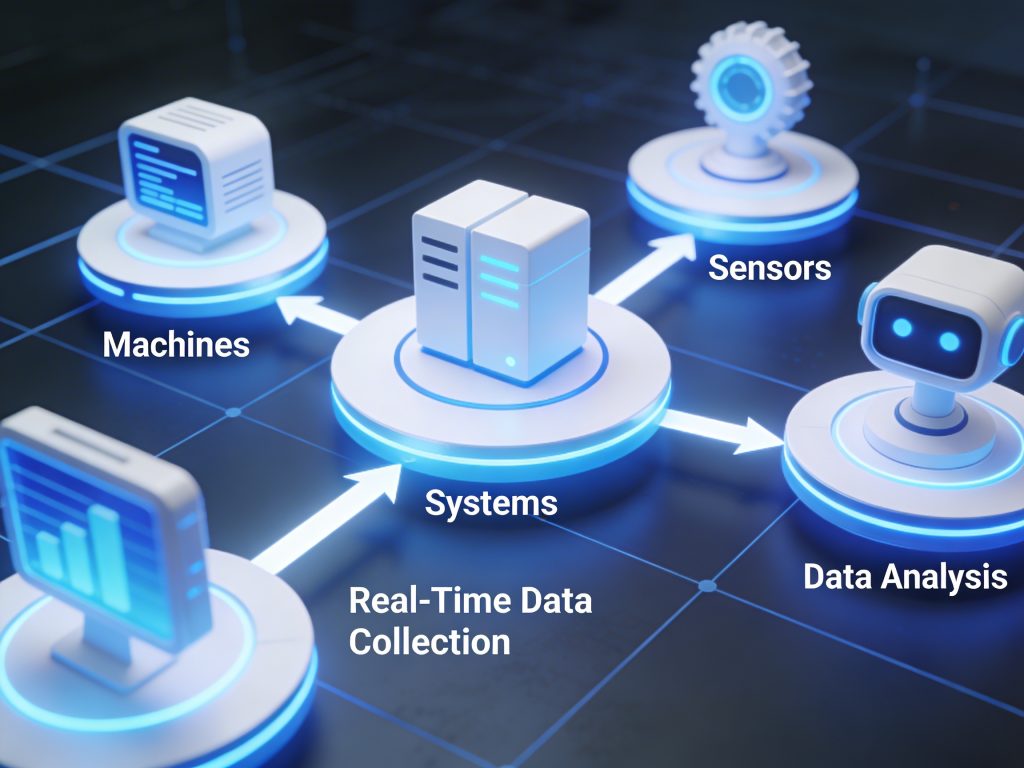
The result of utilizing the revolutionary technology is forcing automation, real-time data, and interconnectivity, which leads to reduced downtime, optimized resource allocation, and improved quality. Key technologies like the Internet of Things (IoT), Artificial Intelligence, and Big Data enable “smart factories” that can analyze information instantly, predict maintenance needs, and allow for seamless integration between production, supply chain, and planning.
- Predictive Maintenance: AI and machine learning analyze data from sensors to predict equipment failures before they happen, drastically reducing costly and unexpected downtime. Visualization tools reveal time-based trends and correlations not easily seen in raw data. Asset Condition Monitoring is often the first use case for IIoT.
- Process Optimisation: Overall Equipment Effectiveness (OEE) evaluates how effectively a manufacturing operation is utilized by comparing fully productive time to planned production time. Optimization of processes through interconnectivity, automation, and real-time data analysis using technologies like the Internet of Things (IoT), Artificial Intelligence (AI), machine learning (ML) Digital Twins and cloud computing.
- Real-time data and connectivity: The Internet of Things (IoT) connects machines, sensors, and systems, allowing for the collection and analysis of data in realtime. This provides a holistic view of operations, enabling faster and more informed decisions.
- Optimised resource allocation: By analyzing data and understanding the real-time status of production and inventory, businesses can better allocate resources,
streamline supply chains, and reduce waste.
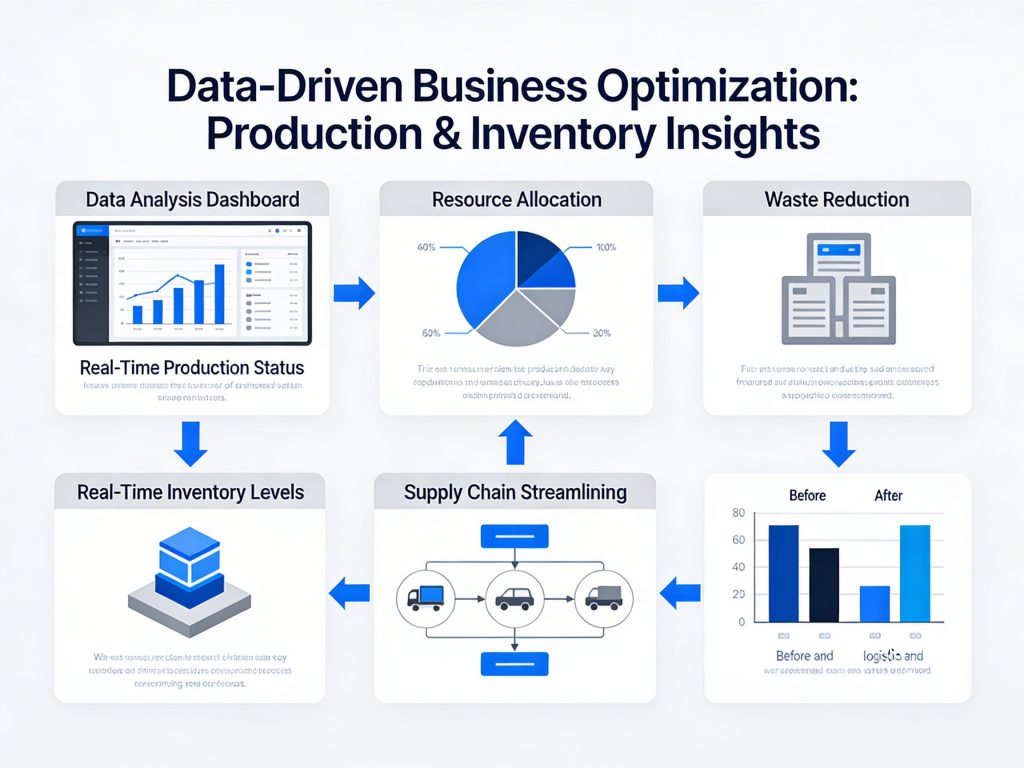
- Improves Supply Chain Management: Sharing production data with suppliers allows for better scheduling and rerouting of deliveries, creating a more resilient and efficient supply chain.
- Enhanced quality control: Real-time monitoring of production processes can detect defects early, leading to higher quality products and less rework and waste.
- Increased flexibility and customisation: Smart factories can quickly adapt and react to changes in demand and customize products to meet specific customer needs. Shared dashboards and visualizations make data accessible to various departments, improving coordination.
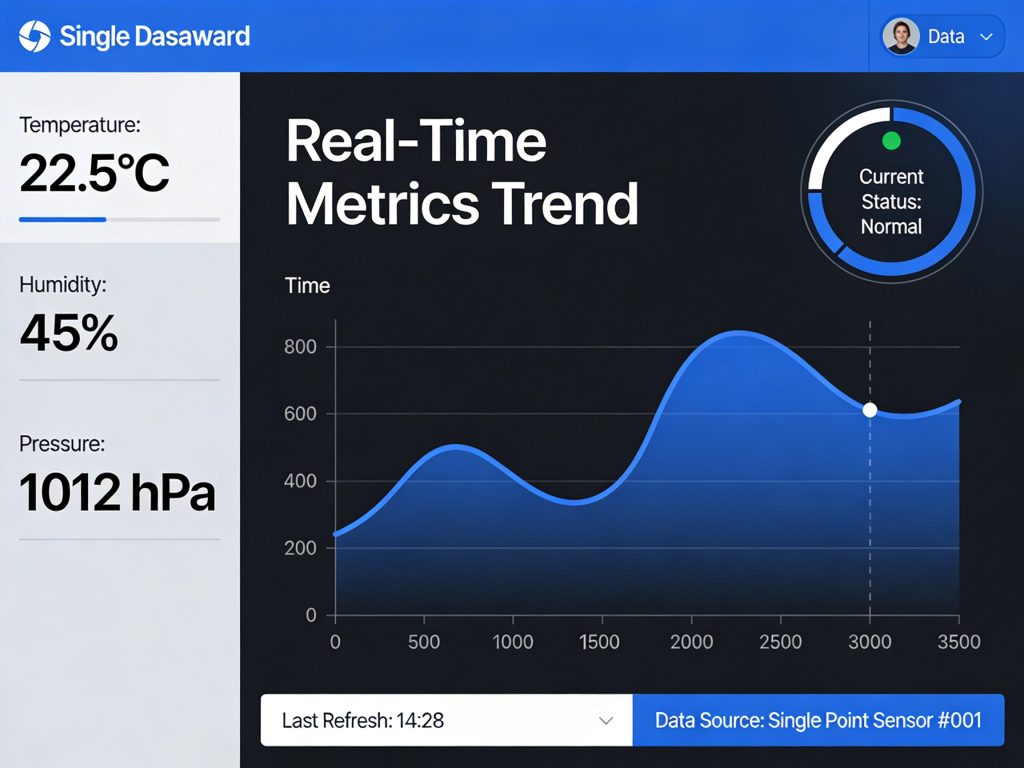
- Faster Decision Making: Visualization of relevant data derived from single point source at real time gives more reliability and authenticity of the metrics and helps managers to quickly understand and adapt to dynamic conditions in delivering decisions. Data visualization dashboards and templates are shared across the industry stakeholders in real time which enables to achieve zero communication delay of information flow across the enterprise and even decentralized decision making possible.
- Cost savings: The implementation achieves various enhancements in process and operations, which in effect reduce overall operational cost.